Source moisture wicking dressage saddle pad for riding, training, and shows
Find and compare 30 moisture wicking dressage saddle pad options from suppliers in China. Buyers can evaluate materials like nylon and T/C fabric, quilting styles, and customization features for equestrian use.
Key considerations
Products List


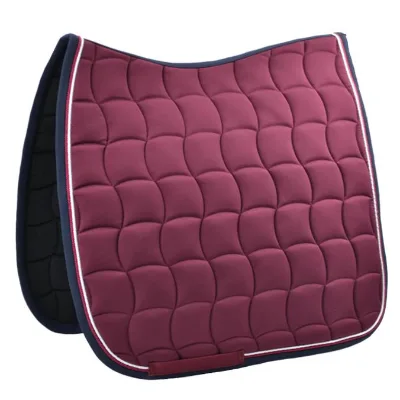
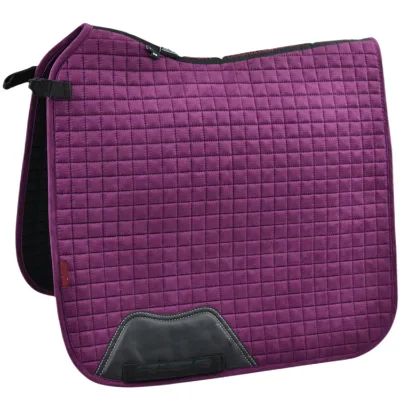
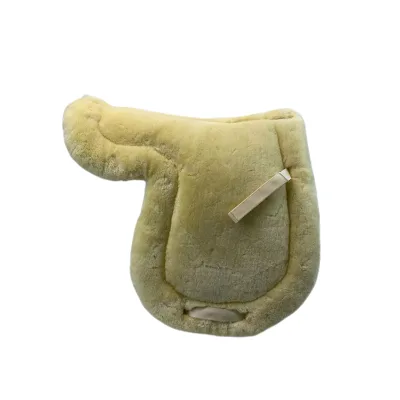


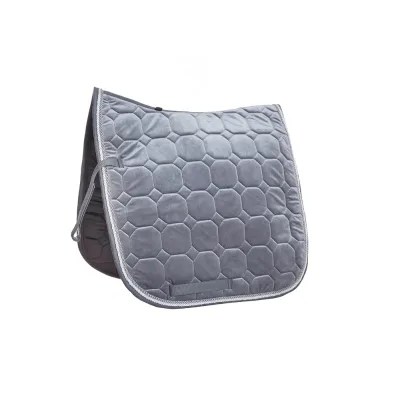
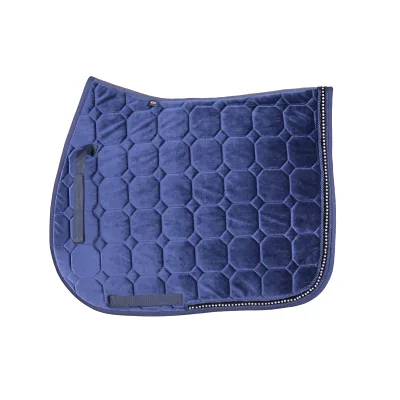
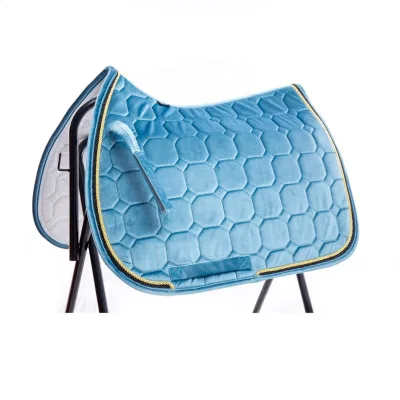
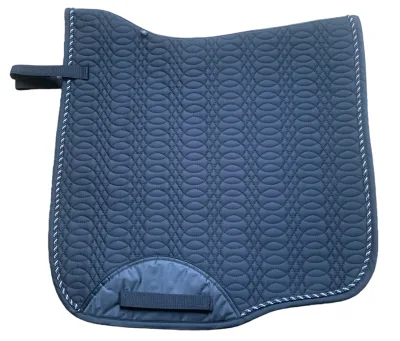
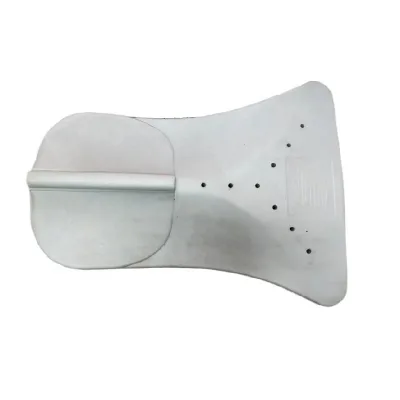
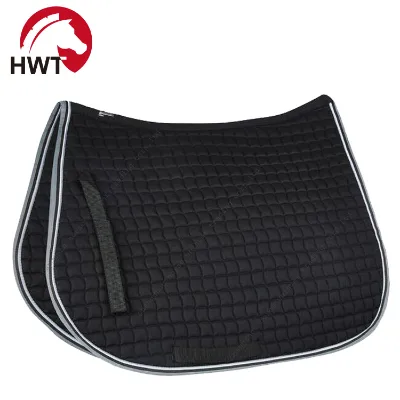
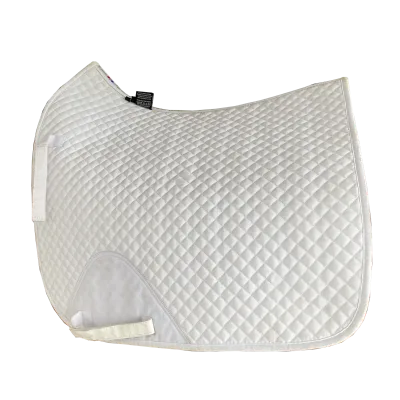
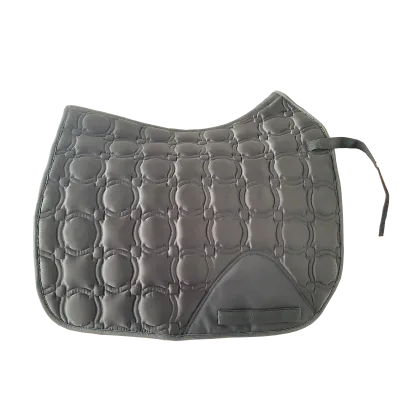
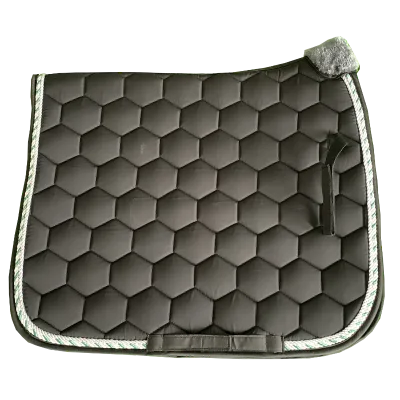


Comprehensive Sourcing Guide
Strategic Sourcing Guide for Moisture Wicking Dressage Saddle Pads
Understanding Product Attributes and Material Composition
When sourcing moisture-wicking dressage saddle pads, buyers must first distinguish between the functional requirements of the product and the specific material compositions available in the current market. The core keyword implies a need for advanced fabric technology designed to manage sweat and maintain horse comfort during high-intensity equestrian activities. However, the available product data reveals a diverse range of material specifications that directly influence performance. The observed supply chain includes options utilizing Nylon, which is known for its durability and resistance to abrasion, as well as T/C (Twill/Cotton) fabric, which offers a traditional feel but may require specific treatments to achieve optimal moisture-wicking capabilities.
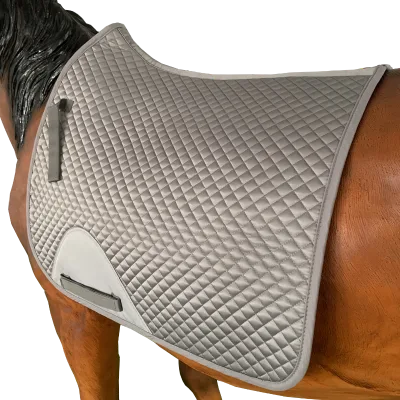
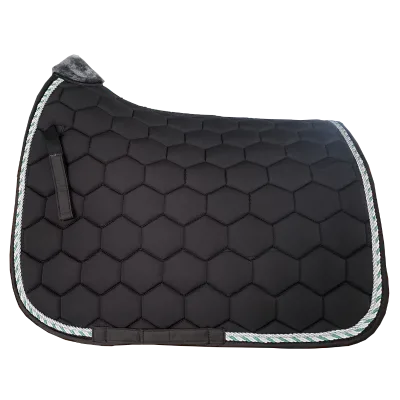
A critical observation in the current market is the variation in outer shell materials. Some listings specify Suede or sheepskin for the outer shell, while others utilize T/C fabric. The choice of outer shell significantly impacts the aesthetic and tactile experience of the saddle pad. For instance, products with a suede or sheepskin outshell often provide a premium look and feel, which is highly valued in dressage competitions where presentation is paramount. Conversely, T/C fabric options may offer a more cost-effective solution while still providing the necessary structural integrity. The lining materials also vary, with "Black honeycomb fabric" and general "Honeycomb" linings appearing in the data. Honeycomb structures are frequently associated with breathability and air circulation, which are essential for moisture management.
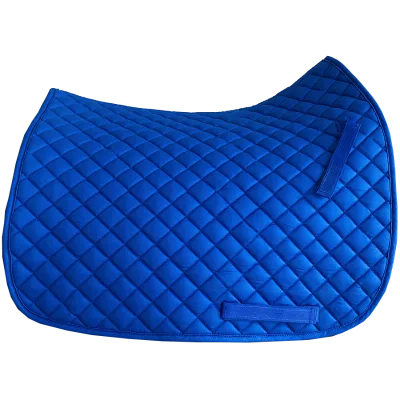
The filling composition is another vital technical specification. The data indicates a consistent use of a dual-layer filling system comprising 10mm foam and 300g (or 300gr) of polyester. This specific combination suggests a balance between cushioning and shock absorption. The 10mm foam layer provides the necessary thickness to protect the horse's spine from pressure points, while the 300g polyester adds loft and helps distribute weight evenly. Buyers should verify if the polyester used in the filling is treated for moisture-wicking properties or if the wicking capability relies primarily on the outer shell and lining construction. The "3-inch tiles" quilting pattern observed in some listings versus "square" quilting in others also affects the distribution of the filling and the overall flexibility of the pad.
Technical Specifications and Design Standards
The technical specifications of a dressage saddle pad are not merely aesthetic choices but functional requirements that ensure safety and performance. The market data highlights specific model numbers such as GPD-SP3333, GPD-SP8084, and GPD-SP8091, each corresponding to different size and style configurations. For example, the GPD-SP3333 is associated with a "Jumping Full" size, while the GPD-SP8084 is designated for "Dressage" use. This distinction is crucial because dressage pads typically require a specific shape and size to accommodate the deep seat of a dressage saddle, whereas jumping pads may have different dimensions to allow for greater freedom of movement.
Size customization is a prevalent feature in this sector. The data explicitly states that size is "Customized" and lists specific designations like "Dressage" and "Half pad." This flexibility allows buyers to source pads that fit specific saddle models or rider preferences. The single package sizes vary, with dimensions such as 67x60x5 cm and 68x56x10 cm, indicating that the packaging density and shipping volume will depend on the specific model ordered. Buyers must account for these variations when calculating logistics costs and warehouse space requirements.
Stitching and binding methods are equally important for durability. The observed stitching techniques include "Four Needle Six Thread" and "Flatlock Seaming." Four needle six thread stitching is a robust method that creates a strong seam capable of withstanding the tension and friction associated with saddle use. Flatlock seaming is often used to reduce bulk and prevent chafing against the horse's back. The binding materials also vary, with options ranging from "polyester webbing" to "pp webbing" and bindings that match the outshell. The choice of binding affects the longevity of the product and its resistance to fraying over time. Additionally, the presence of accessories such as "Girth Strap" and "Hand Strap" in some listings suggests that certain models are designed for ease of use and secure placement during mounting and dismounting.
Compliance, Certification, and Quality Verification
In the B2B procurement of equestrian equipment, compliance and quality verification are paramount, even when specific certification data is not explicitly listed in the product descriptions. The supplied facts indicate that the products originate from Dongguan, China, and Fujian, China, which are known manufacturing hubs for textiles and leather goods. While the data does not list specific third-party certifications (such as ISO or OEKO-TEX), buyers must treat the "custom design" and "OEM" (Original Equipment Manufacturer) status as indicators of the production flexibility rather than a guarantee of standardized compliance.
Buyers should verify that the materials used, particularly the nylon, T/C fabric, and polyester filling, meet international safety standards for equestrian gear. This includes checking for the absence of harmful substances in the dyes and finishes, especially given the close contact with the animal's skin. The "custom design" standard mentioned in the data implies that the manufacturer can tailor products to meet specific buyer requirements, but it also places the onus on the buyer to define these requirements clearly. For instance, if a buyer requires a specific flame retardancy or chemical resistance, this must be explicitly stated in the purchase order and verified through pre-shipment testing.
The "custom package" option listed in the product attributes suggests that branding and packaging can be tailored to the buyer's needs. However, this also requires careful attention to ensure that the packaging materials themselves do not introduce contaminants or damage the product during transit. The single gross weight of the products, ranging from 0.800 kg to 3.000 kg, provides a baseline for logistics planning but does not indicate the quality of the internal components. Buyers should request material safety data sheets (MSDS) and test reports for the specific batch of goods to ensure compliance with the destination market's regulations.
Cost Drivers and Pricing Dynamics
The pricing dynamics for moisture-wicking dressage saddle pads are influenced by a complex interplay of material costs, customization levels, and production complexity. The observed price range in the market spans from $0.20 to $113.80 USD, a wide variance that reflects the diversity of product configurations. The lower end of the spectrum likely corresponds to standard, non-customized models with basic materials, while the higher end reflects premium materials like sheepskin or suede, intricate quilting patterns, and extensive customization options.
Material costs are a primary driver. The use of sheepskin or suede for the outshell significantly increases the cost compared to T/C fabric or nylon. Similarly, the complexity of the stitching, such as the four needle six thread technique, adds labor costs. The customization of the size and the inclusion of specific accessories like girth straps and hand straps also contribute to the final price. The MOQ (Minimum Order Quantity) range of 10 to 300 units further influences the cost structure. Smaller orders may incur higher per-unit costs due to the setup time required for custom designs, while larger orders benefit from economies of scale.
Buyers should also consider the cost of packaging and shipping. The single package sizes and weights vary, and the choice between a transparent poly bag, PE bag, or custom package will impact the overall landed cost. Custom packaging, while beneficial for branding, often carries a higher unit cost. Additionally, the origin of the product, whether from Dongguan or Fujian, may affect shipping costs depending on the buyer's location and the logistics infrastructure of the specific port.
Typical Applications and Market Segmentation
The applications for dressage saddle pads extend beyond mere aesthetics to critical performance and welfare functions. The primary market segments identified in the data include the USA, EU, and Australia, regions with well-established equestrian traditions and high demand for quality equipment. In these markets, dressage is a competitive sport where the presentation of the horse and rider is as important as the technical execution. Therefore, saddle pads that offer a combination of moisture-wicking properties, superior cushioning, and a polished appearance are highly sought after.
The specific models mentioned, such as the "Dressage Saddle" and "Jumping Full," indicate that the products are designed for specific disciplines. Dressage pads are typically larger and designed to cover the entire back of the horse, providing a smooth surface for the saddle. The "half pad" option suggests a lighter alternative for riders who prefer less bulk or have specific saddle fit requirements. The "3-inch tiles" and "square" quilting patterns are not just decorative; they serve to distribute the rider's weight and prevent the saddle from shifting during movement.
The customization of colors, including black, light blue, red, orange, wine red, and light green, allows buyers to match the pads to team colors or competition standards. This level of personalization is a key selling point in the B2B market, where buyers often seek to create a cohesive brand identity for their teams or rental fleets. The "print logo" decoration option further supports this, enabling buyers to add their own branding to the product.
Supplier Evaluation and Quality Control Protocols
Evaluating suppliers in the equestrian equipment sector requires a rigorous approach to ensure that the products meet the high standards expected by end-users. The data indicates that the suppliers are located in Dongguan and Fujian, China, and offer OEM services. This suggests that the suppliers are capable of producing custom designs, but buyers must verify their production capabilities and quality control systems.
Key evaluation criteria should include the supplier's experience with specific materials like sheepskin and suede, as well as their ability to execute complex stitching techniques such as four needle six thread. Buyers should request samples to assess the quality of the stitching, the consistency of the quilting, and the durability of the materials. The "custom design" standard implies that the supplier can adapt to specific requirements, but this flexibility must be balanced with strict quality control measures to ensure consistency across batches.
Quality control protocols should cover every stage of the production process, from material sourcing to final packaging. Buyers should verify that the supplier conducts regular inspections of the raw materials, such as the nylon, T/C fabric, and polyester filling, to ensure they meet the specified standards. The inspection of the finished product should include checks for stitching integrity, color consistency, and the accuracy of the custom sizing. The "single gross weight" and "single package size" data points can be used as benchmarks to verify that the supplier is adhering to the agreed-upon specifications.
Long-Term Procurement Considerations and Sustainability
Long-term procurement of dressage saddle pads involves more than just securing a one-time supply; it requires building a sustainable relationship with suppliers who can consistently deliver high-quality products. The "customized" nature of the products means that buyers must maintain clear communication with suppliers to ensure that design changes or material updates are implemented correctly. The "OEM" status suggests that the supplier is willing to work closely with the buyer to develop proprietary designs, which can be a significant competitive advantage.
Sustainability is an increasingly important factor in the equestrian industry. Buyers should inquire about the environmental impact of the materials used, particularly the polyester filling and the dyes used for the various colors. While the data does not explicitly mention sustainable practices, buyers can request information on the supplier's commitment to reducing waste and using eco-friendly materials. The "custom package" option also offers an opportunity to reduce packaging waste by using recyclable materials.
Finally, buyers should consider the lifecycle of the product. The durability of the stitching and the resistance of the materials to wear and tear will determine the replacement cycle. Investing in high-quality products with robust construction, such as those with four needle six thread stitching and high-density foam filling, can reduce long-term costs by extending the lifespan of the saddle pads. By focusing on quality and sustainability, buyers can ensure a reliable supply chain that meets the evolving needs of the equestrian market.
FAQs
What materials are used for the outer shell?
The outer shell is available in T/C fabric, suede, or sheepskin depending on the specific model selected. Buyers can choose between traditional fabric options or premium leather-like finishes to match their aesthetic requirements for dressage competitions.
How is the filling constructed for cushioning?
The filling consistently uses a dual-layer system of 10mm foam combined with 300 grams of polyester. This specific composition ensures adequate shock absorption and weight distribution to protect the horse's spine during riding.
Can the size be customized for specific saddles?
Yes, the size is fully customized to fit specific saddle models or rider preferences such as Dressage or Jumping Full. This flexibility allows buyers to source pads that match exact equipment dimensions without compromising fit.
Which stitching methods ensure durability?
The products utilize robust Four Needle Six Thread stitching and Flatlock Seaming to withstand tension and friction. These techniques create strong seams that prevent chafing and ensure the pad remains intact during high-intensity equestrian activities.
What is the minimum order quantity for these pads?
The minimum order quantity ranges from 10 to 300 units depending on the customization level and supplier. Smaller orders may incur higher per-unit costs, while larger orders benefit from economies of scale in production.
Can the product be customized with logos?
Yes, customization is available including printing logos and selecting specific colors like black, blue, or red. Buyers can also opt for custom packaging to align with their brand identity and market requirements.